In today’s world of noise and self-promotion, the values of honor, loyalty, and masculine discipline are fading. But they once defined two of Japan’s most iconic figures: the samurai, guided by the code of Bushido, and the Yakuza, who forged their own path through ritual and resilience. Though one served the state and the other defied it, both lived by strict codes that demanded silence, sacrifice, and self-mastery. This post explores what modern men can learn from their lives — and how these forgotten codes can help rebuild strength, purpose, and presence in a distracted world.
Where They Came From – Origin and Evolution

The Rise of the Samurai
The samurai emerged in Japan’s Heian period (794–1185), serving feudal lords as elite warriors bound by the moral code of Bushido — the Way of the Warrior. Their lives were centered around honor, duty, and unwavering loyalty. To a samurai, real strength came not just from combat, but from how he carried himself — with calm, restraint, and what we now call masculine discipline. For centuries, they were more than soldiers; they were a social class built on character and self-control.
The Roots of the Yakuza
The Yakuza, in contrast, were born from society’s margins. During the Edo period (1603–1868), they evolved from two low-status groups: bakuto (gamblers) and tekiya (street peddlers). Branded as outcasts and criminals, they formed tightly organized groups to survive. In time, they began adopting elements of Bushido, seeking honor and structure in a world that offered them neither. Despite their illegal activities, their strict internal code reflected many of the same values once held by the samurai.

From Outlaws to Modern Warriors
Where the samurai inherited legacy, the Yakuza built brotherhood through choice and pain. What they lacked in noble blood, they made up for in loyalty, ritual, and discipline. Over time, they became a kind of modern outlaw samurai — trading swords for suits, yet preserving the essence of Bushido: silence, hierarchy, and masculine discipline. However, while they honored the code, their actions remained rooted in the criminal underworld — unlike the samurai, whose lives were publicly celebrated and sanctioned by the state.
Bushido vs. Ninkyō-dō – The Codes Behind the Men
What Is Bushido?
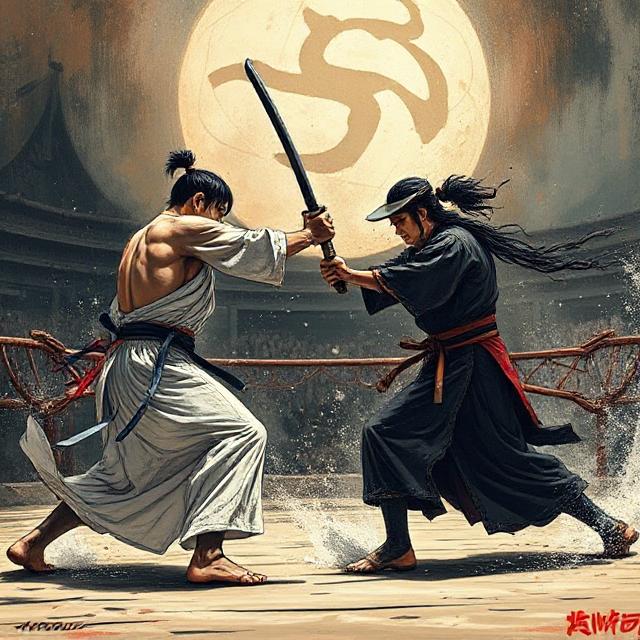
Bushido — “The Way of the Warrior” — was more than a set of rules; it was the soul of the samurai. It defined a man’s purpose and governed every choice he made. Its core values included:
- Gi (Rectitude) – Doing what is morally right
- Yu (Courage) – Acting boldly despite fear
- Jin (Benevolence) – Showing compassion and mercy
- Rei (Respect) – Exercising self-control in all interactions
- Makoto (Sincerity) – Being honest and authentic
- Meiyo (Honor) – Valuing reputation over personal gain
- Chugi (Loyalty) – Unshakable devotion to one’s lord or cause
To live by Bushido was to commit to masculine discipline in its highest form. A samurai would rather die with honor than live in disgrace — and many did.
What Is Ninkyō-dō?
The Yakuza, despite being outlaws, embraced their own code called Ninkyō-dō — “the chivalrous way.” While their activities were illegal, their values were strikingly similar to Bushido:
- Loyalty to the oyabun (boss) above all
- Protection of the weak and powerless
- Acceptance of pain and discipline as a way of life
- Honor through silent atonement — including yubitsume (finger-cutting)
They didn’t seek approval from society. Instead, their power came from internal control, brotherhood, and unspoken rules — a darker, but structured form of masculine discipline.
Shared Spirit, Different Paths
Though centuries apart, the samurai and the Yakuza were united by their devotion to honor, loyalty, and a strict personal code. One operated within law, the other outside it — but both demanded sacrifice and self-mastery. Whether dressed in armor or a suit, both figures show us that real masculinity is not about dominance — it’s about discipline.
Power in Presence – How They Carried Themselves

Samurai: Calm as Strength
For the samurai, presence was everything. Following Bushido, they believed that power should be quiet, composed, and disciplined. They didn’t need to shout or threaten — their stillness said it all. Whether sitting in seiza or standing before a superior, the samurai carried themselves with honor and restraint. Their posture reflected masculine discipline: straight spine, controlled movements, focused gaze.
This wasn’t about pretending to be tough — it was about mastery of the self. A samurai who couldn’t control his body or emotions was seen as unfit to serve. To project true strength, one had to be internally unshakable.
Yakuza: Silent Authority
The Yakuza inherited this philosophy and adapted it to the modern world. In the streets and boardrooms, their suits became armor. Like the samurai, their loyalty was worn on their sleeves — but their power came from silence, not volume.
A high-ranking Yakuza member could walk into a room and command attention without saying a word. Every gesture — from lighting a cigarette to offering a bow — was deliberate. They communicated through control, presence, and ritual, not noise.
If you want to learn more about slient Authority, check this out:
How to Look Tough and Gain Instant Respect: Psychological Tricks of Authority and Dominance
The Shared Lesson
In both worlds, presence was power. While the rest of society chased attention, these men chased discipline, loyalty, and honor.
True masculine strength isn’t about speaking louder. It’s about meaning more when you say less.
Rituals of Shame and Redemption
Samurai: Death Before Dishonor
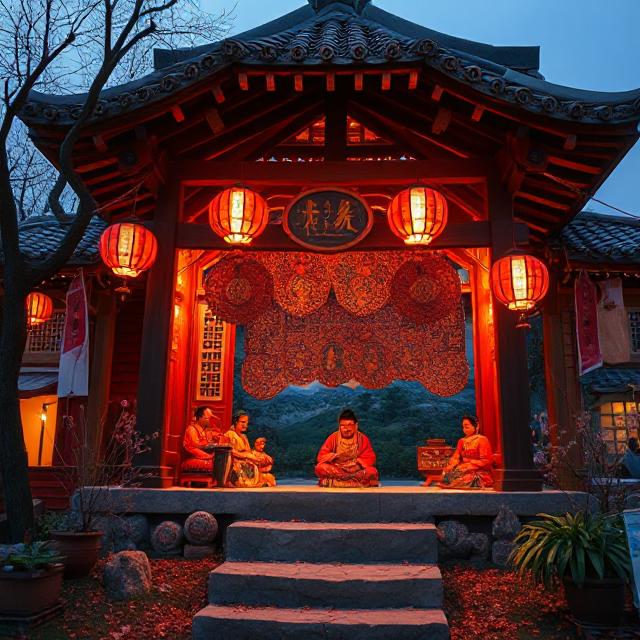
In the world of the samurai, personal failure or disgrace wasn’t taken lightly. Guided by Bushido, the ultimate act of masculine discipline and redemption was seppuku — ritual suicide. It was not seen as weakness, but as a powerful act of self-accountability.
A samurai who could not live with dishonor chose to die with honor.
The act followed strict ritual: clean clothing, a written death poem, and often a second (kaishakunin) to end the pain with a final strike. Seppuku wasn’t just about death — it was about reclaiming dignity through absolute self-control.
Yakuza: Atonement Through Pain
The Yakuza developed their own form of redemption: yubitsume, or finger-cutting. When a member violated the code or showed disloyalty, they were expected to sever part of their finger and offer it to their oyabun (boss). This silent, painful gesture symbolized loyalty through sacrifice — a physical reminder of failure, and a plea for forgiveness.
Unlike the samurai, who died to cleanse their honor, the Yakuza lived with their mistakes — wearing the consequences every day.
A Deeper Meaning
Both practices reflect a lost truth: that real masculinity is about owning your failures. In a world of deflection and excuses, these men chose to confront shame with discipline, loyalty, and courage — even when it hurt.
Brotherhood & Loyalty

Samurai: Loyalty to the Clan
For the samurai, loyalty was the highest virtue under Bushido. A samurai existed to serve his lord (daimyo), even to the point of death. This masculine discipline was built into the very fabric of their identity — they trained, fought, and lived not for personal ambition, but for the good of the clan.
Bonds were forged through shared duty, not shared interest. A samurai didn’t choose his brothers — he earned them through service and sacrifice. To betray one’s lord wasn’t just treason — it was spiritual death, the ultimate loss of honor.
Yakuza: Brotherhood by Choice
In the Yakuza, loyalty was chosen, not inherited. Members entered the group through a ritual called sakazuki, where sake was shared with their boss — symbolizing eternal brotherhood. This wasn’t just ceremony — it was a vow to protect, obey, and sacrifice for the group.
The Yakuza didn’t rely on blood ties. Their version of masculine discipline was tested through action: enduring prison time, following orders, or even cutting off a finger in remorse. In their world, loyalty wasn’t a word — it was pain, silence, and obedience.
The Modern Contrast
Today, many friendships are shallow — based on convenience, not conviction. But the samurai and the Yakuza remind us:
True brotherhood isn’t found. It’s built. And it demands the kind of loyalty and discipline most men have forgotten.
The Lost Lessons Modern Men Need
A Code in a Directionless World
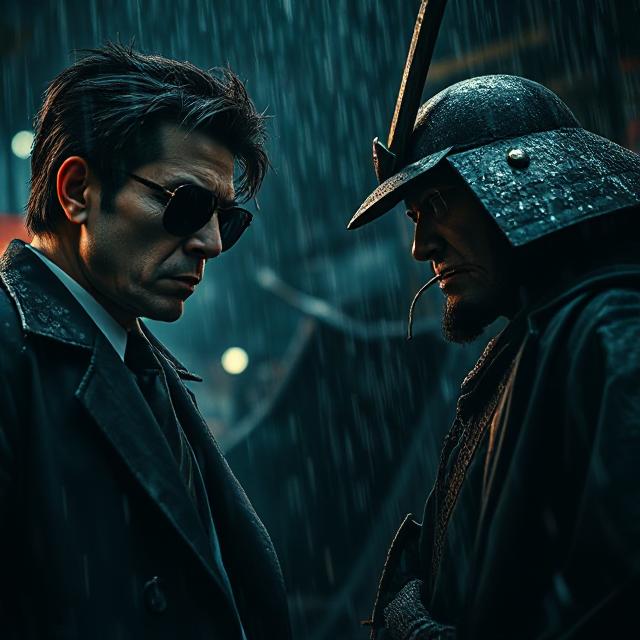
In today’s world, many men feel lost — chasing status, attention, or validation without a clear foundation. But both the samurai, guided by Bushido, and the Yakuza, shaped by Ninkyō-dō, lived by unbreakable codes. These weren’t just rules — they were identities. They knew who they were, what they stood for, and what they would never compromise.
Modern men don’t need more motivation. They need meaning — and that starts with choosing a code.
5 Lessons Worth Reclaiming
1. Build Your Own Code
Decide what you believe in. Discipline yourself to follow it — especially when no one is watching. That’s where honor lives.
2. Master Your Presence
Power isn’t loud. Both the Yakuza and the samurai knew how to dominate a room with silence. Masculine discipline shows through posture, eye contact, and restraint.
3. Make Loyalty Cost Something
Stop giving loyalty to people who haven’t earned it — and don’t expect it from others unless you’ve proven yourself.
4. Own Your Mistakes
In a world full of excuses, be the man who takes responsibility — even when it hurts.
5. Seek Brotherhood, Not Applause
Find people who live by values, not trends. One loyal ally is worth more than a thousand followers.
If you want to know more how to behave like Yakuza, check out my blog:
Check out other links about samurai and yakuza: