Introduction
Long before global superpowers drew borders in ink, Japan and China were shaping Asia with blood, trade, and pride. The relationship between these two giants spans centuries and is defined not by friendship, but by a long-standing rivalry rooted in history, power struggles, cultural pride, and conflicting worldviews. Though they are now deeply intertwined economically, Japan and China’s political and historical friction still simmers beneath the surface.
This article explores the evolution of the Japan-China relationship, from ancient admiration to brutal wars, Cold War stand-offs, and the modern competition for regional dominance. It will also delve into their cultural rivalry and the battle for influence in Asia.
Ancient Foundations: Respect and Imitation
China’s Early Dominance
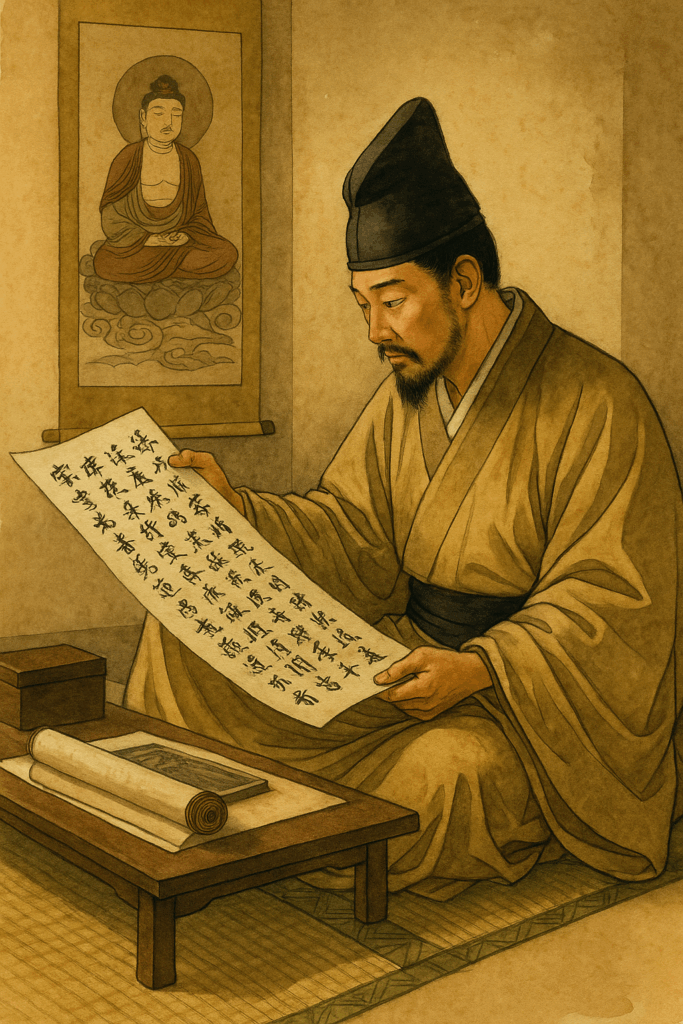
In the early stages of Japanese history, China was the undisputed cultural and political center of East Asia. The Tang Dynasty (618–907 AD) represented a golden age in Chinese civilization. Its influence reached far and wide, and Japan eagerly absorbed many aspects of Chinese culture.
Japan as a Cultural Student
During the Asuka and Nara periods (6th–8th centuries), Japan imported Chinese writing (kanji), Buddhism, Confucian principles, and even elements of Chinese bureaucracy and architecture. The Japanese court modeled itself on the Chinese imperial system. The Taihō Code, for example, was a Japanese attempt to mirror Chinese legal and administrative structures.
Yet even in imitation, Japan began asserting its identity. The term “Nihon” (Japan) was adopted in the 7th century, signaling a desire to differentiate itself from the Chinese-centered worldview.
Meiji Modernization and Rising Tensions
From Isolation to Aggression
Fast forward to the 19th century. While China was being torn apart by internal rebellion and Western imperialism, Japan was undergoing a radical transformation. The Meiji Restoration of 1868 marked the beginning of Japan’s modernization and industrialization.
Japan’s leaders were determined to prevent the humiliation that China and other Asian nations had suffered at the hands of Western powers. They modernized their military, reformed their economy, and sought recognition as a global power. This ambition inevitably led to conflict with China.
The First Sino-Japanese War (1894–1895)
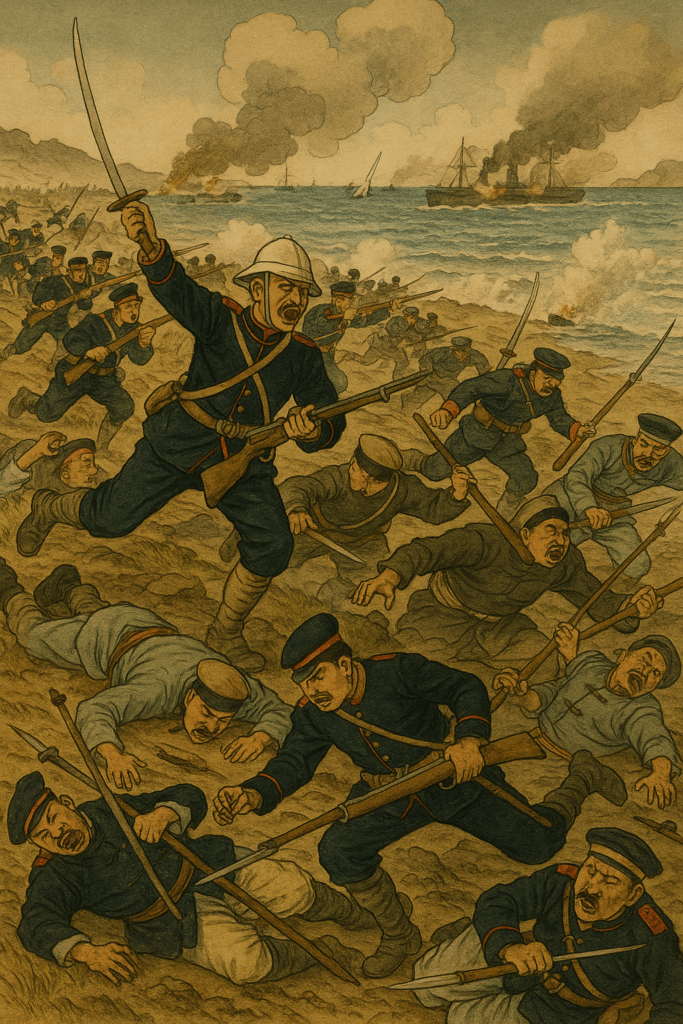
The war was a turning point. Japan crushed the weakened Qing navy and army, seizing Taiwan and securing influence in Korea. This defeat was a national humiliation for China and an awakening for the world: Japan had emerged as Asia’s dominant power.
The Treaty of Shimonoseki confirmed Japan’s status and began a period of Japanese imperial expansion. China, meanwhile, entered a long period of decline, eventually collapsing into civil war and revolution.
WWII and Deep Scars
The Second Sino-Japanese War (1937–1945)
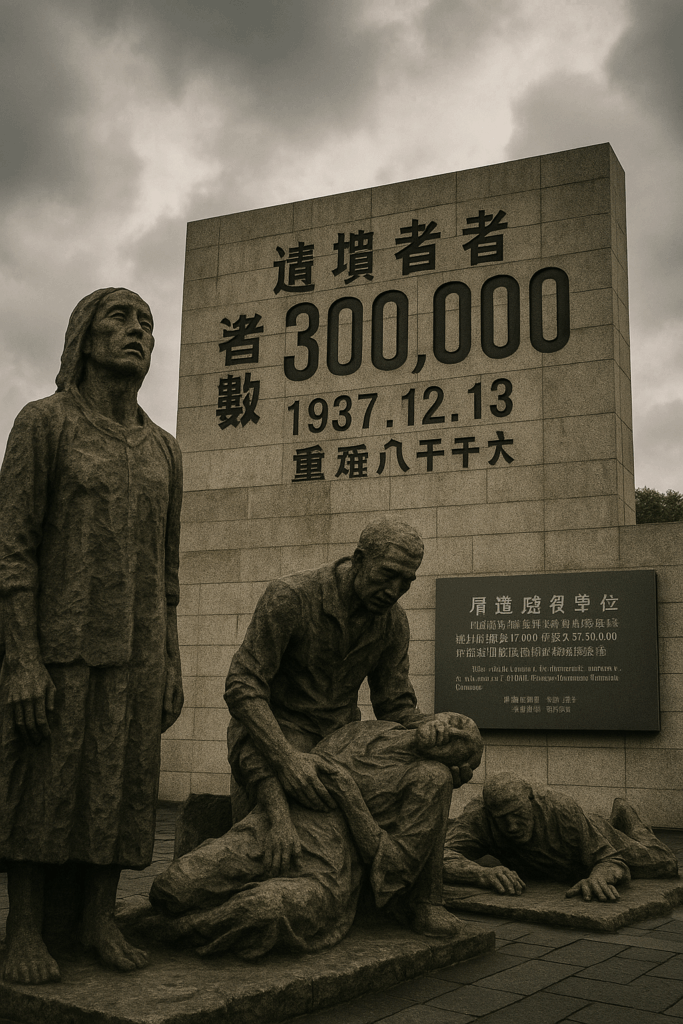
Tensions exploded once again in the 20th century. In 1937, Japan launched a full-scale invasion of China, starting the Second Sino-Japanese War. The brutality of this conflict shocked the world.
The most infamous event was the Nanjing Massacre, where Japanese forces slaughtered an estimated 200,000 to 300,000 civilians and prisoners of war. Rape, looting, and atrocities left lasting scars on the Chinese national psyche.
Occupation and Legacy
Japan occupied large parts of eastern China, exploiting resources and people. Resistance movements, often led by the Chinese Communist Party, fought fiercely. When WWII ended in 1945, Japan was defeated and occupied by the United States. But for China, the trauma did not end. The memory of Japanese occupation continues to influence Chinese nationalism and foreign policy.
Cold War and Diverging Paths
Political Realignment
Post-WWII, the world split into ideological camps. Japan, under American influence, became a capitalist democracy. China, after its 1949 Communist Revolution, aligned with the Soviet Union. The two countries had minimal relations, but the mutual hostility remained.
Different Goals
Japan focused on rebuilding and economic growth. China, meanwhile, underwent radical social transformations under Mao Zedong, including the disastrous Great Leap Forward and the Cultural Revolution. While China struggled, Japan became the second-largest economy in the world by the 1980s.
This economic divergence deepened the sense of rivalry. China’s resentment of Japan’s prosperity, combined with lingering historical anger, fueled a complex relationship.
Modern Tensions: Trade Partners, Political Enemies
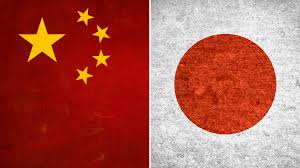
Economic Interdependence
Today, Japan and China are major trading partners. As of 2025, China is Japan’s largest trading partner, and Japan is one of China’s top five. The supply chains between them are deeply intertwined. From electronics to automotive parts, both economies benefit from cooperation.
Yet economic ties have not erased political hostility.
The Senkaku/Diaoyu Islands Dispute
One of the most visible flashpoints is the territorial dispute over a group of uninhabited islands in the East China Sea. Known as the Senkaku Islands in Japan and the Diaoyu Islands in China, these rocks are claimed by both nations.
Though small, the islands hold symbolic weight. They represent national pride, sovereignty, and strategic control over maritime resources. Naval stand-offs, coast guard confrontations, and diplomatic protests are common.
Taiwan and Regional Tensions
China sees Taiwan as a breakaway province, while Japan supports peace and stability in the Taiwan Strait. Japan, along with the U.S., has signaled that any Chinese aggression toward Taiwan would be unacceptable. This puts Japan in direct strategic opposition to China.
Military Posturing
China’s military expansion and Japan’s shift toward remilitarization have raised alarms. Japan has increased defense spending and forged deeper ties with the U.S. and regional allies. Both countries conduct military drills in disputed waters, heightening the risk of conflict.
Cultural Rivalry Today
Competing Soft Power
Japan once dominated global soft power through anime, J-pop, and fashion. China is now trying to catch up with tech platforms, Confucius Institutes, and large-scale film production.
Japan promotes itself as a modern, peaceful cultural hub, while China emphasizes its historical greatness and civilizational depth. The two nations compete not only in economics or military, but in narratives.
Memory Wars
History textbooks in China emphasize Japan’s wartime atrocities, especially the Nanjing Massacre. Memorial museums and annual ceremonies reinforce national memory.
In Japan, conservatives argue that the country has apologized enough and that it is time to “move forward.” Some politicians have downplayed or denied wartime crimes, triggering diplomatic crises. These “memory wars” make reconciliation difficult.
Who Will Lead Asia?
Competing Models
Japan and China represent different models of governance, development, and diplomacy. Japan is democratic, stable, and aligned with Western norms. China is authoritarian, assertive, and focused on long-term strategic dominance.
In Southeast Asia, African partnerships, and global diplomacy, both are vying for influence. While China uses the Belt and Road Initiative, Japan invests in infrastructure through quieter, quality-focused programs.
Tech, Trade, and the Future
In the fields of AI, semiconductors, robotics, and green energy, Japan and China are fierce competitors. Trade wars, supply chain battles, and sanctions have made these industries a geopolitical battlefield.
At the same time, both countries need each other. Japan relies on Chinese manufacturing; China needs Japanese tech and investment. This paradox defines modern Japan-China relations: economic cooperation under constant political stress.
Conclusion: A Relationship Defined by Power and Memory
The relationship between Japan and China is not just political. It is civilizational. It is about who gets to write the story of Asia’s past and who gets to lead its future.
Despite the flow of goods and capital, deep mistrust remains. National pride, historical trauma, and regional ambition make true friendship unlikely. Instead, Japan and China are locked in a sophisticated rivalry — one that shapes not just Asia, but the world.
As China rises and Japan adapts, their interactions will continue to define the balance of power in the 21st century. The question is not whether they will compete, but whether they can do so without conflict.
Explore Japan’s rich history, culture, and modern identity—through blogs that blend ancient tradition, Yakuza-inspired empowerment, and the soul of a rising nation.
Here is the link: https://japmafiayakuza.com/