Most men don’t know how to handle disrespect. They either explode in anger, shut down in silence, or overexplain themselves trying to “win” the moment. But every time you react emotionally, you lose respect — both from others and from yourself.
Masculinity isn’t about dominance or proving yourself. It’s about presence. Composure. Boundaries.
The man who can stay calm in chaos commands the room without saying a word.
In this post, you’ll learn how to shift your mindset from reactive to untouchable — so disrespect no longer shakes you, but sharpens you.
Why Emotional Reactions Destroy Respect

Disrespect triggers insecurity — most men react from ego
Most men aren’t actually grounded in confidence — they’re just hoping no one calls them out. When they feel disrespected, the mask slips. Instead of responding with composure, they react from insecurity. That reaction exposes them.
We’ve all seen it: someone makes a sarcastic comment, and instead of holding frame, a man jumps into defense mode — raising his voice, explaining himself, or insulting back. That’s not strength. That’s weakness disguised as pride.
Lashing out or proving yourself makes you look reactive, not respected
The moment you start yelling, defending, or trying to prove your worth, you’ve already lost status. People don’t respect emotional outbursts — they respect control. The loudest man in the room isn’t the most powerful. He’s usually the most insecure.
Trying to “win” with words or flexing your ego only makes you appear unstable. Power isn’t shown by dominating others — it’s shown by refusing to be moved by them.
First rule: If they can control your emotions, they control your power
When someone can pull you out of your center with a comment, they own your frame. That’s not dominance — that’s emotional submission. A powerful man doesn’t respond out of ego. He responds when he decides. Stillness, restraint, and unbothered presence are often the sharpest responses to disrespect.
Stillness Is Power: The Antidote to Disrespect

The calmest man in the room controls the room
True power isn’t loud — it’s quiet. When you’re calm under pressure, you create tension in others. People watch you, adjust to you, and wonder what you’re thinking. That’s presence. The calmest man in the room sets the tone for everyone else.
Stillness intimidates. When everyone else is trying to make noise, the man who says nothing — but looks unfazed — immediately takes control of the atmosphere.
Stillness = unpredictability = presence
When you’re still, you’re unreadable. And what people can’t read, they can’t control. Stillness makes you unpredictable, and unpredictability makes you powerful. It’s not about being passive — it’s about making people lean in while you stay unmoved.
It also signals that you’re not performing. You’re not trying to impress, outshine, or defend. You’re grounded in yourself, and that presence alone demands respect.
When someone disrespects you, don’t flinch, don’t justify, don’t chase validation
Disrespect is often a test — not of your strength, but of your control. Most men fail it by overreacting. When you stay still — physically and emotionally — you show the other person they have no influence over you. No need to explain. No need to prove. Your silence says everything.
Define Your Boundaries: Disrespect Ends Where Respect Begins

Masculine men don’t rely on feelings to decide what’s okay — they rely on personal code
If you’re waiting to “feel” whether someone crossed a line, you’ve already given up control. Masculine strength isn’t reactive — it’s rooted in predefined standards. You don’t wait until you’re disrespected to figure out if it bothers you. You already know what’s acceptable.
Decide what crosses the line before you're tested
Preparation creates presence. When you’ve defined your boundaries ahead of time, you respond with clarity — not confusion or hesitation. You’re not caught off guard, because you’ve already decided what you will and won’t tolerate.
For example, if someone raises their voice at you in public, do you address it, walk away, or set the tone with eye contact? When you’ve already made that decision ahead of time, you never panic — you just execute.
When you act, it should be decisive, not emotional
Masculine action is clear, controlled, and final. Whether you walk away, call it out, or set distance — do it with calm precision. The goal isn’t to “win the moment,” it’s to enforce your standard without losing yourself.
Boundaries are not about controlling others. They’re about controlling yourself and making clear what you will and will not engage with.
Don’t Try to Win — Just Don’t Break
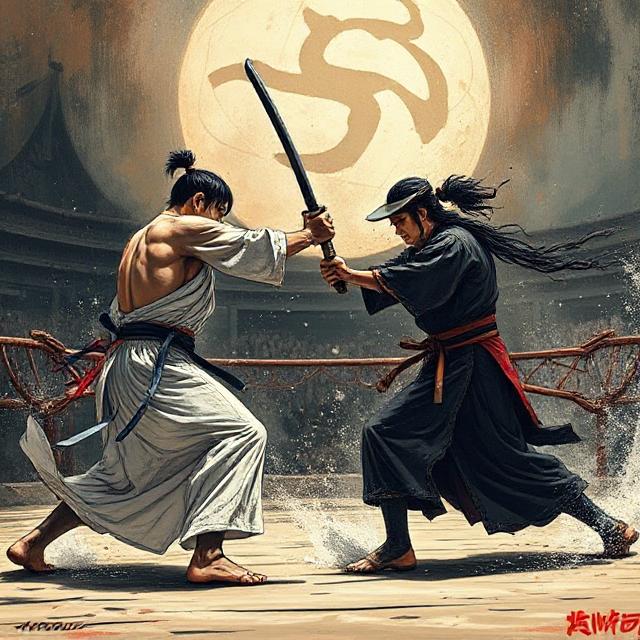
You don’t have to “clap back” or dominate every insult
Not every disrespect needs a comeback. Trying to “win” every verbal exchange turns you into a reactive performer — not a powerful man. Real strength is knowing that you don’t need to lower yourself just to prove a point.
There is power in choosing silence over snark. In letting someone speak, and choosing not to meet their energy — because it’s beneath your standards.
You win by staying composed and holding frame
“Frame” is your emotional and psychological ground. If someone can shake it, they control the room. If you stay calm, hold posture, and let their energy bounce off you, you remain the dominant force — without ever raising your voice.
This is why composure is often more feared than confrontation. People feel unnerved by the person who refuses to play their game.
Let people feel the weight of your restraint
Your silence, your lack of reaction, your unbroken eye contact — that’s what leaves an impression. When you don’t respond emotionally, people start questioning themselves. Your calm becomes pressure. Your restraint becomes power.
Know When to Walk — and When to End It

Disrespect sometimes requires distance — not reaction
Not every battle needs to be fought. Sometimes the most powerful response is removing your presence entirely. Walking away doesn’t mean weakness — it means you’re too grounded to waste your energy proving anything. Distance is dignity.
This is especially true in low-value environments — when you’re surrounded by immature people, insecure bosses, or chaotic social circles. Leaving the space is sometimes the highest form of control.
In rare cases, if action is needed, it must be controlled and final
Whether it’s a boundary you speak, a relationship you cut, or a confrontation you choose — make it deliberate, not emotional. Masculine power is not about being passive. It’s about knowing that when you act, it counts. No noise. No drama. Just resolution.
Never act while heated — act from clarity and confidence
Anger clouds judgment. Emotion invites mistakes. The moment you’re hot, you’ve lost your edge. Wait until you’re cold and calm. That’s when your decisions are sharp. That’s when people realize you’re not reacting — you’re choosing.
Control Your Face, Control the Room

Your face is your emotional signal — guard it.
Most men give themselves away without saying a word. A twitch of the lip, a raised brow, a flash of hurt in the eyes — these are emotional leaks. The moment someone sees you flinch, they know they’ve hit a nerve. And if they know where your nerves are, they can control you.
True presence starts with a still face.
Train your default expression: relaxed jaw, steady gaze, smooth brows. No tension. No forced smiles. Just calm neutrality. When your face doesn’t reveal what you’re thinking, you create mystery — and mystery creates power.
Master the art of subtle expression.
Stillness doesn’t mean deadpan. It means precision. A slow blink can signal boredom. A long pause can unsettle someone more than a sharp reply. A quiet smirk — not a grin — can say, “You don’t rattle me.”
These micro-expressions are the language of dominance. They don’t yell; they whisper with weight. And in social dynamics, the man who stays unreadable holds the advantage. He becomes unpredictable. Dangerous.
Disrespect Is a Mirror — Not a Definition

Most disrespect says more about them than about you
When someone disrespects you, it’s rarely about you. It’s a reflection of their insecurity, jealousy, or need for control. Weak people insult others to gain leverage. Strong men don’t.
Understanding this lets you detach from the insult. You stop taking it personally — and start seeing it for what it is: a weak attempt to provoke a reaction.
Take the insult. Turn it into data
Instead of defending yourself, ask:
- Is this person insecure or just testing me?
- What do they want me to do that I won’t?
- Why do they need my attention so badly?
Then choose your response like a strategist — not a reactor.
Conclusion: Let Your Presence Be the Response
You don’t prove your worth — you embody it.
The moment you feel the need to explain, defend, or react, you’ve already given away power.
Real strength is quiet. It shows up in how you carry yourself, not how loudly you speak.
Disrespect doesn’t deserve your emotions — it deserves your clarity. A calm stare, a firm boundary, or silence often says more than words ever could.
When you stay grounded in your values, maintain emotional control, and move with intention, you stop being someone they can provoke —
You become someone they respect.
Check out for more of my blog :https://japmafiayakuza.com/